A Platform to Empower Michigan's Caseworkers
The Michigan Department of Health and Human Services (MDHHS) is a key agency of the state of Michigan, responsible for public aid, child and family welfare services, and supervising health policies and administration. In their mission to improve services for Michigan residents, MDHHS approached Deloitte Digital to transform caseworker operations. Caseworkers are vital to public assistance, but face challenges like manual tasks and inconsistent processes. By designing an intuitive platform that reduces administrative time, we empowered caseworkers to focus on clients.
Deloitte Digital
12 months
Public Welfare
My Role
I collaborated closely with the design lead on this project, conducting user interviews and usability tests alongside a Michigan-based team. I worked in coordination with project management, engineering, and QA teams throughout the entire process.
Research and Insights
I began by conducting interviews with the caseworkers in collaboration with a team based in Michigan. The purpose of these interviews was to comprehend the emotions, needs, and behavior of the end users. The objective was to determine: How frequently do users engage with the existing platform? What emotions do they experience when interacting with the current platform? Are there any frustrations or aspects they appreciate? What does their workflow entail? Do they utilize any specific terminology? Are there any additional features that could simplify their lives? Have they used any comparable tools alongside the current platform?
Users identified several key issues, including problems with navigation that hindered their ability to correct mistakes. They also faced excessive manual tasks and encountered cumbersome, duplicative processes. Users expressed a need for support in error prevention and recovery. Inconsistencies in input methods, unclear language, and acronyms further complicated their experience. Additionally, users found excessive redundant content on the page.
How might we create a streamlined and intuitive digital platform that empowers caseworkers to focus more on direct client interactions, ensuring efficient allocation of resources and enhancing the overall quality of public assistance?
What does success look like
Reduction in case processing time
Increase in client interaction time
Reduction in case resolution time
Reduction in data input errors
Final Design
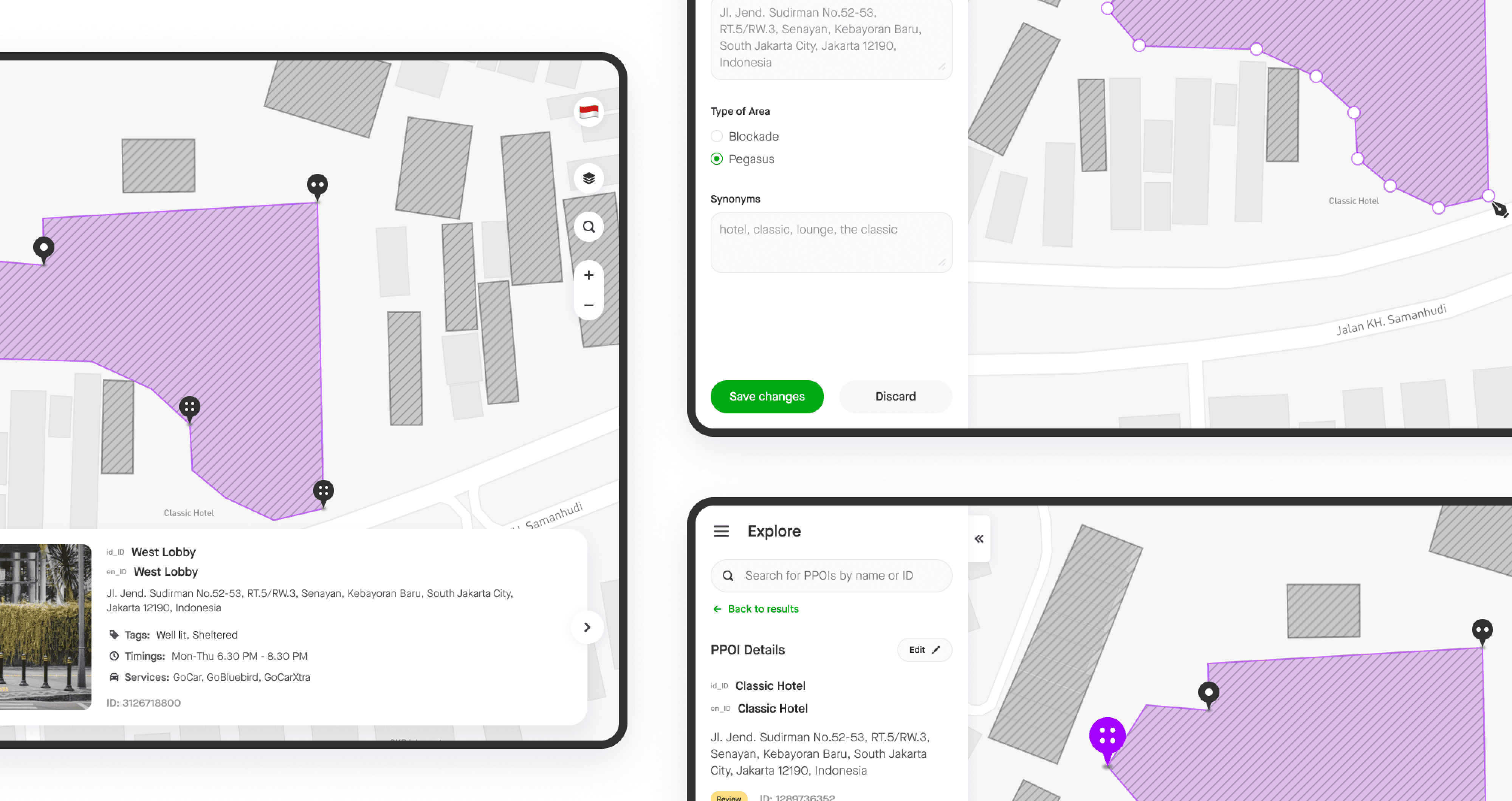
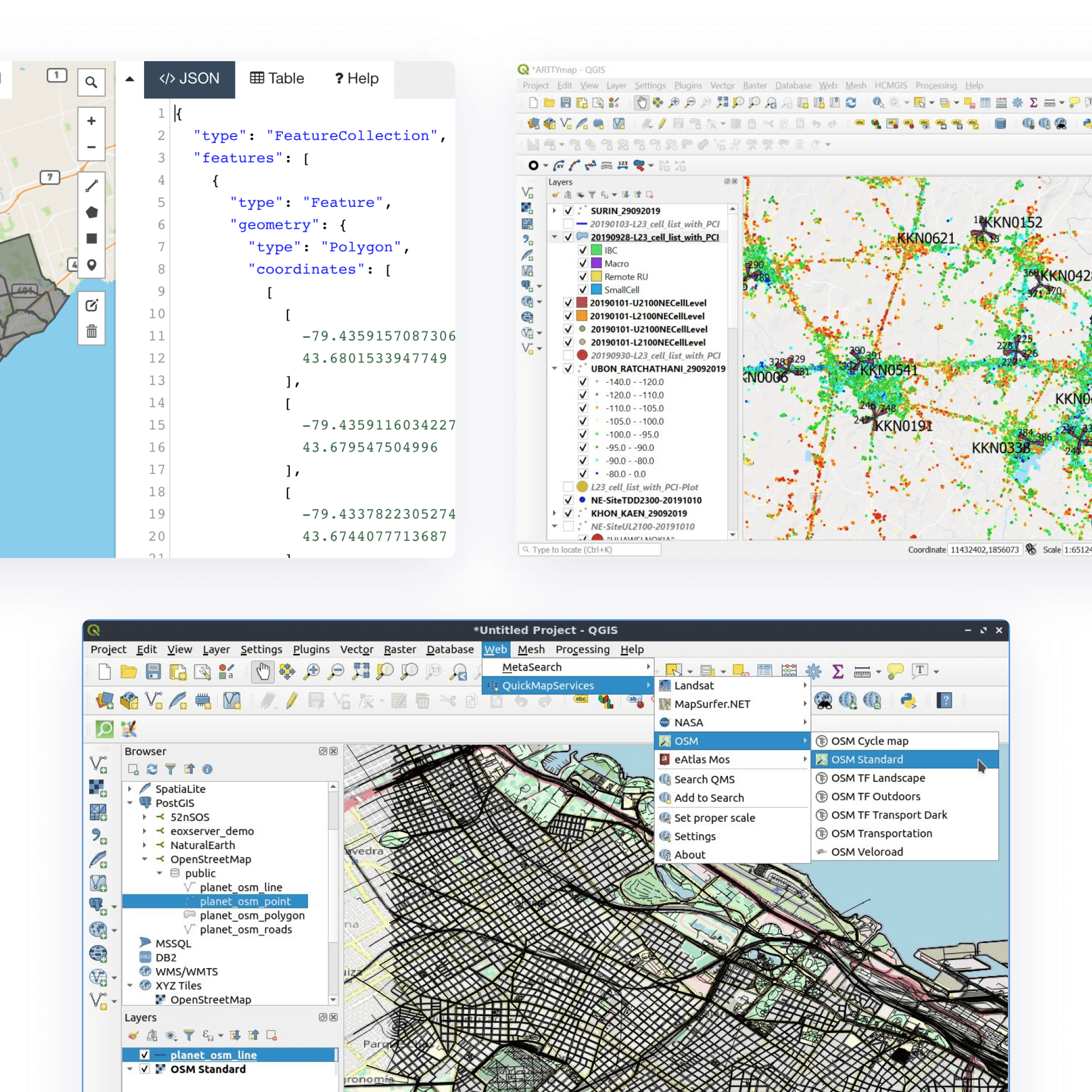
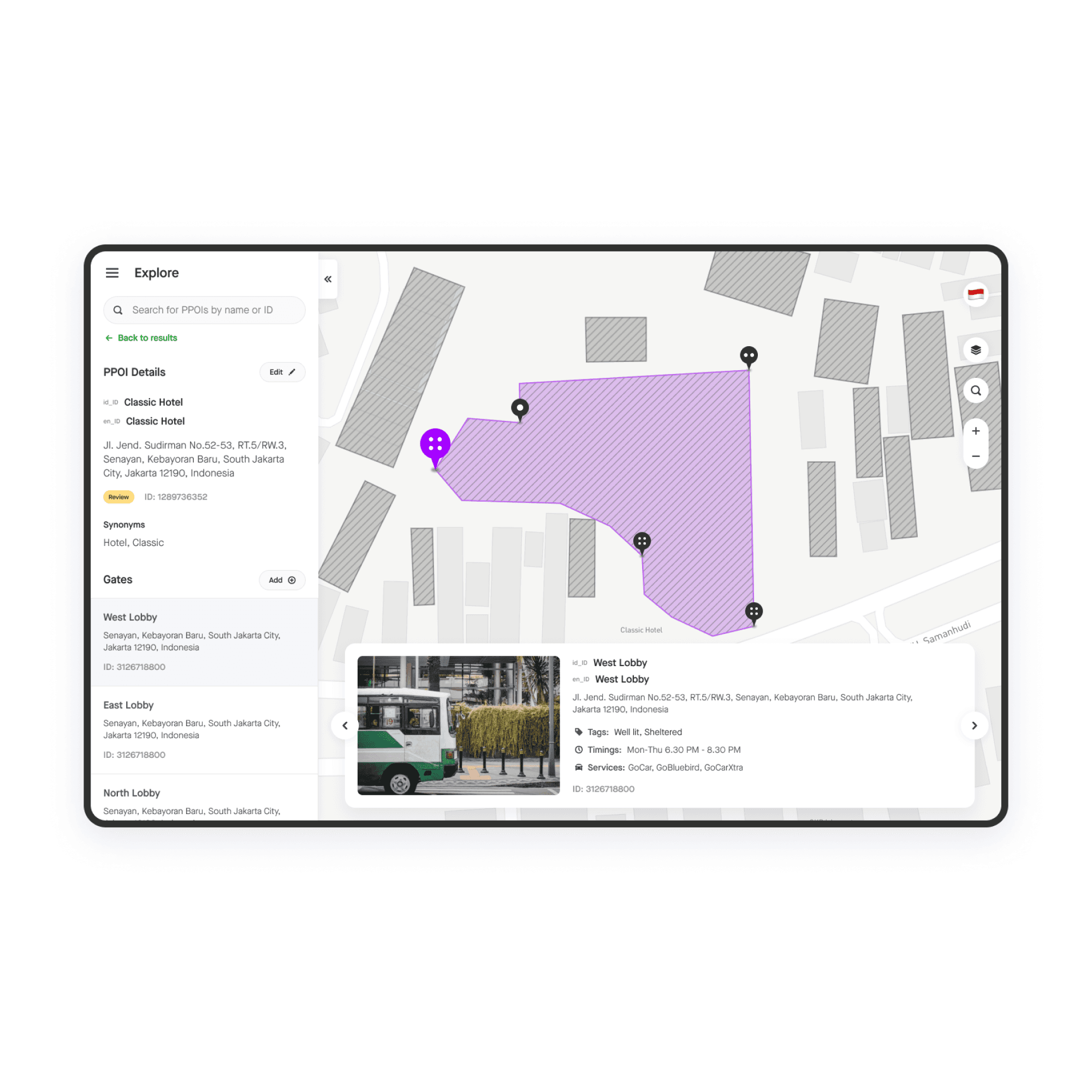
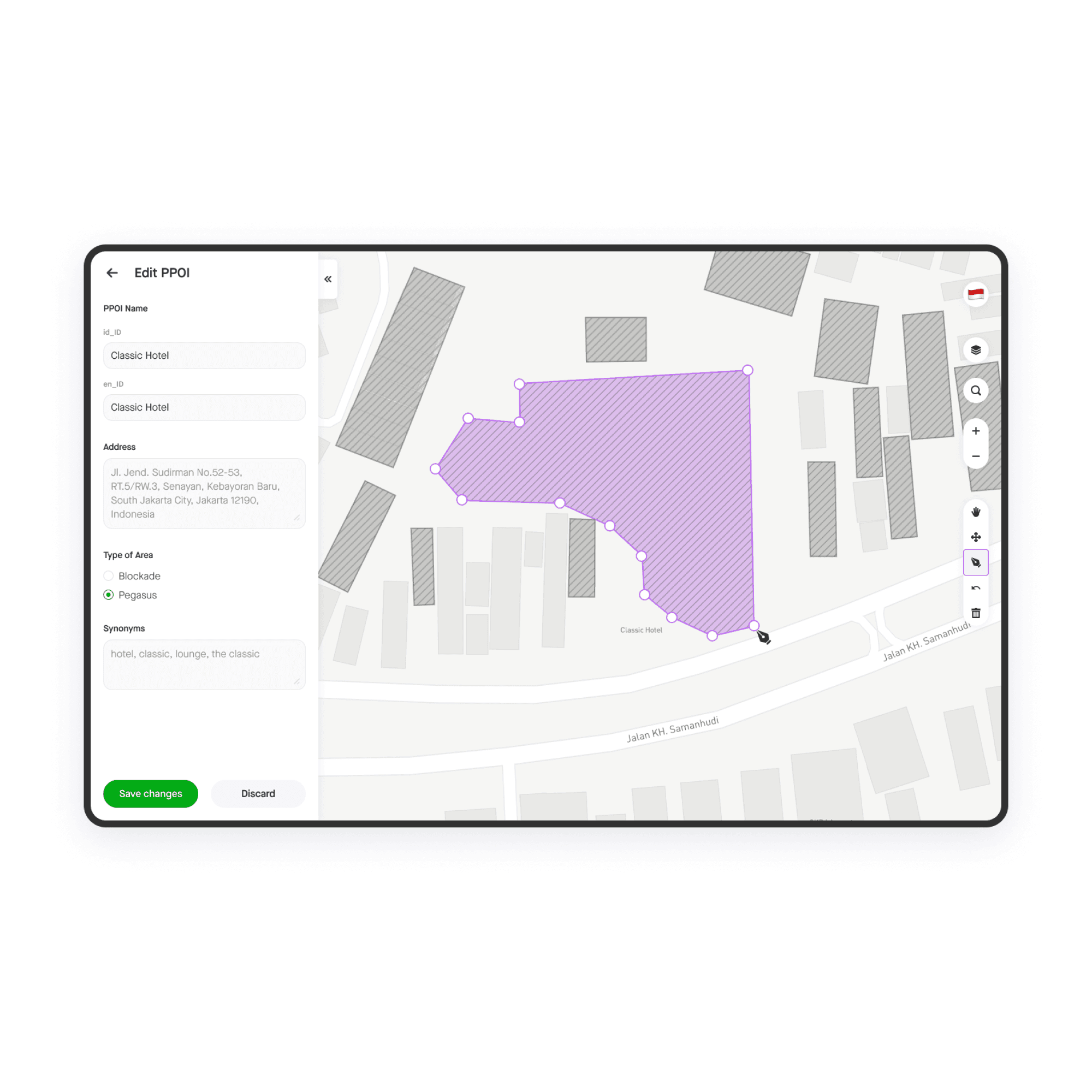
Based on the pain points listed by the users, I fixed the users flows and information architecture. I closely collaborated with the engineering team while creating the designs as there were some constraints due to the existing infrastructure. The visuals for the new app were designed using Asphalt Web Design System. I decided to use a light grey theme for the map so that user generated data like polygons and points would stand out.

Impact
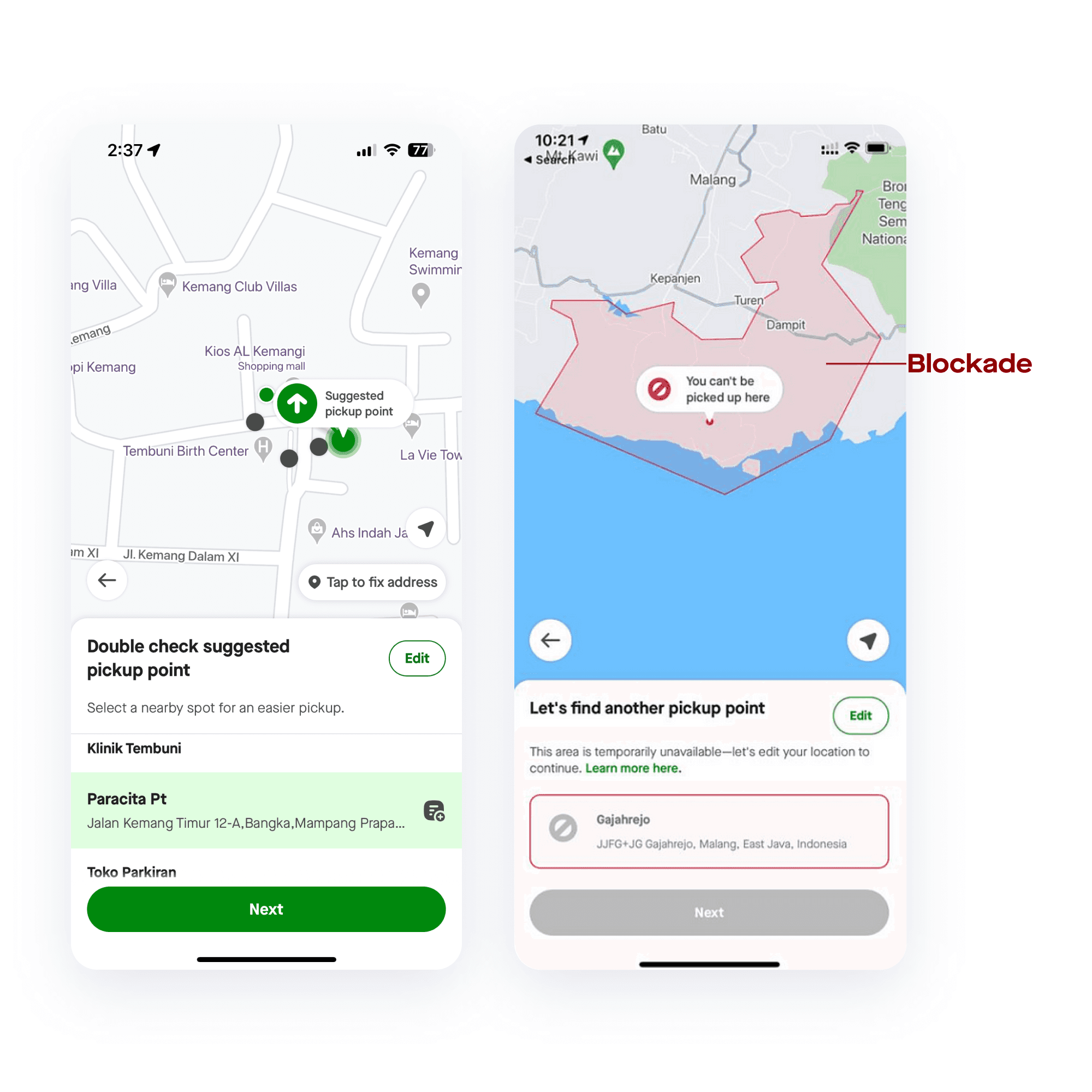
Observing and understanding map data like routes and locations chosen by users, allows the maps ops team to make relevant updates to the underlying map data. This contributes to a better customer experience by immensely improving the typeahead location search. These updates also allow incorporation of alternate and more detailed routes and locations like routes within housing, apartment, and mall complexes. The app is being used by Maps Ops teams in 4 countries - Indonesia, Singapore, Thailand and Vietnam.
In a span of 6 months, the Cartography app enabled the team to increase areas of interest by 5000 and pick up points by 13000 in Indonesia, and 1,01,000 areas of interest and 1,10,000 pick up points in Singapore
This increased pickup point adoption rate from 10% to 14% in Indonesia and 0.4% to 57% in Singapore
This also led to an increase in destination adoption rate from 0.8% to 2% in Indonesia and 0.1% to 9% in Singapore
Pickup accuracy was reduced by 4 meters from 31 meters to 27 meters in Indonesia and by 1 meter from 30 meters to 29 meters in Singapore
The app played a vital role in 2020, a period marked by frequent government regulation changes due to the pandemic. It allowed for real-time adjustments to reflect lockdowns and road closures in the pickup experience.